In this article:
- Ways to give familiar seasonal ingredients like chai, cinnamon, ginger, cacao nibs, and turmeric new roles across the cafe menu
- Flavor pairings and menu ideas for beverages, breakfast, bakery, and savory applications
- Cocoa Nib & Black Sesame Cold Foam Recipe
- How simple components like syrups, sauces, and spice blends can work across multiple menu items
- Tips for balancing familiar seasonal flavors with fresh formats, textures, and pairings
- Ideas for getting more mileage from seasonal ingredients while keeping menu development practical
Autumn and winter menus naturally lend themselves to familiar flavors: cinnamon, chai, ginger, cacao, turmeric and warming spices that bring a sense of comfort as the weather turns colder.
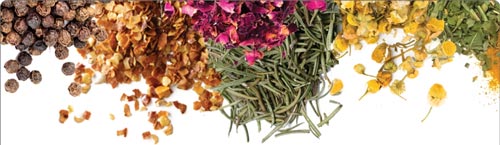
For many customers, fall doesn’t quite feel like fall until a pumpkin spice latte is back on the menu. Familiar seasonal flavors have staying power because they offer comfort, nostalgia and a clear connection to the season. Herb Co carries classic spices like cinnamon (15 varieties, to be exact!), nutmeg, ginger, cloves, and allspice, giving cafes the building blocks to create familiar seasonal favorites or put their own spin on them.
But seasonal menu development doesn’t have to stop with the expected. One way to create something fresh is to take a familiar ingredient and give it a new role: chai in a smoothie, cacao nibs in a cold foam, cinnamon in a savory-inspired pairing or ginger in a sparkling beverage.
Current flavor research points in a similar direction. Consumers continue to show interest in familiar flavors presented in new formats, while texture, botanical ingredients and globally influenced combinations are creating additional ways to make food and beverages feel fresh.
So what does that look like on an actual cafe menu? Here are five familiar autumn and winter ingredients, with ideas for using them in fresh ways across beverage, bakery, breakfast, and savory applications. The goal is to give familiar flavors more range while finding practical ways to make each ingredient work harder across the menu.
Give Chai A Bigger Role
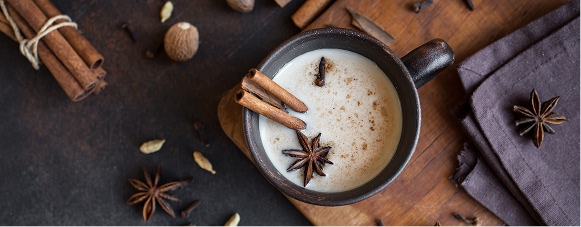
Chai’s familiar combination of warming spices makes it an easy fit for fall and winter menus. But it doesn’t have to stay in the latte category. Consider using the same spice profile in breakfast and cold applications.
Try it:
Chai Spiced Smoothie:
Brew chai tea bags into a concentrated infusion, then blend with banana, pear, vanilla, and oat milk for a creamy smoothie with a familiar warming spice.
Build: Banana + pear + chai tea concentrate + vanilla + oat milk
Chai Morning Cake:
Bring chai’s cinnamon, cardamom, ginger and clove notes into a breakfast cake or muffin for a seasonal bakery option.
Build: chai spice + vanilla + brown sugar + seasonal fruit or nuts
Why it Works:
Chai’s blend of cinnamon, cardamom, ginger, and clove works because those spices carry both warmth and sweetness on their own, letting the profile hold up in cold, creamy, or baked formats without needing coffee as a base.
Take Cocoa Nibs Beyond the Bakery Case
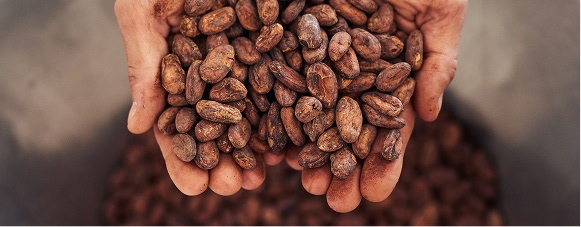
Cocoa nibs are often associated with baking, but their roasted flavor, aroma, and natural crunch make them useful across the beverage menu, too. Texture is also becoming an important part of the beverage experience, with foams, toppings, and crunchy inclusions giving familiar drinks another sensory dimension. That makes cacao nibs a particularly useful ingredient for creating contrast, from creamy cold foam to a crunchy finish.
Try it:
Cocoa Nib & Black Sesame Cold Foam Recipe
Layer a cacao nib and black sesame cold foam over cold brew for a combination of roasted, nutty flavors and contrasting creamy and crunchy textures.
Ingredients:
- Cocoa nibs, ground into a powder
- Black sesame seeds, toasted, ground into a powder
- Cream or plant-based cream
- Vanilla extract
- Sweetener of choice (optional)
Instructions:
- Combine cream, vanilla extract, black sesame seed powder and cacao nib powder and froth until it becomes well-mixed, light, airy and thickened
- Pour over a cup of prepared cold brew coffee (with or without ice)
- Optionally, garnish with cacao nib and whole black sesame seeds.
Cocoa & Tahini Smoothie:
Pair cocoa nibs with tahini, banana, and dates for a creamy smoothie with roasted, nutty depth. Finish with crushed cacao nibs for a little crunch.
Build: Banana + dates + tahini + cocoa nibs + oat milk + vanilla
Why it Works:
The bitterness and crunch of cocoa nibs works as a contrast tool, cutting through sweet or creamy elements like cold foam or tahini in the same way a crunchy topping balances a rich dessert.
Rethink Cinnamon
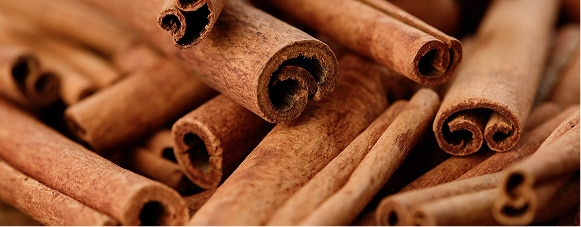
Cinnamon may be one of the most familiar fall and winter flavors, but changing the format or pairing it with less expected ingredients can give it a more modern feel. Think beyond the cinnamon-sugar topping and look for ways to layer it with fruit, herbs, and other warming spices.
According to Innovative Market Insights 2026 Global Beverage Flavor Trends Report, these kinds of combinations are part of a broader shift towards updating nostalgic and familiar flavors rather than abandoning them. Cinnamon doesn’t become unrecognizable, but gives customers a new reason to notice it.
Try it:
Roasted Pear Yogurt Bowl with Cinnamon-Cardamom Honey:
Roasted seasonal pears and creamy greek yogurt get a seasonal lift from a honey drizzle infused with cinnamon and cardamom. Add granola or toasted pepitas for a crunch.
Build: Yogurt + roasted pear + cinnamon-cardamom honey + crunch addition
Cinnamon-Vanilla-Sage Latte:
A familiar cinnamon latte gets more complexity from vanilla and fresh or infused sage, adding an herbal note to a classic seasonal flavor.
Build: Espresso + steamed milk + cinnamon + vanilla + sage
Why it Works:
Cinnamon pairs well beyond dessert applications because its sweetness is aromatic rather than sugar-based, which is what lets it sit comfortably next to savory or herbal notes like sage without the drink tasting like dessert.
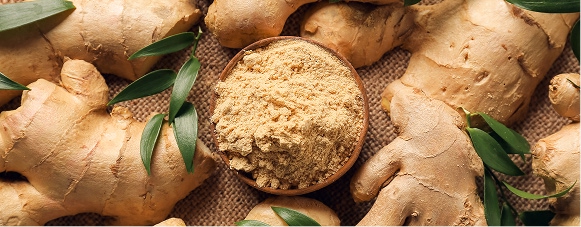
Taking Ginger Beyond the Expected
Ginger is a natural fit for cold-weather menus, from seasonal teas to sparkling beverages and savory applications. Its bright heat can bring energy to familiar winter flavors while pairing naturally with fruit, herbs, and umami-rich ingredients.
Try it:
Winter Botanical Soda:
Combine warming ginger with a sweet pear and aromatic rosemary for a sophisticated sparkling beverage. If that feels too far of a stretch, try a more familiar variation like ginger, apple, and thyme. No matter the flavor, a house-made seasonal simple syrup can also do more than one job, working in sparkling beverages, tea, or other zero-proof concepts.
Build: Ginger + house-made pear-rosemary simple syrup + sparkling water
Ginger Miso Drizzle:
A ginger miso sauce or drizzle can bring warmth and savory depth to roasted winter vegetables, grain bowls, or even savory breakfast items.
Build: Ginger + miso + rice vinegar + honey + sesame oil
Why it Works:
Ginger’s sharpness comes from a different place than sweetness or fat, which is why it can cut through the richness of a miso drizzle just as easily as it lifts a sparkling soda.

Put Turmeric to Work Across the Menu
Turmeric has become closely associated with golden lattes, but its earthy flavor and vibrant color can work in both indulgent beverages and savory food. Consider pairing it with ingredients that complement its warmth rather than limiting it to wellness-focused drinks.
Try it:
Turmeric Hot Chocolate:
Combine turmeric’s earthy spice and vibrant color with rich chocolate for a warming seasonal drink that feels indulgent as well as distinctive. Add cacao nibs sprinkled on the top for a roasted crunch.
Build: Turmeric + chocolate + steamed milk + vanilla + cinnamon + pinch of cayenne + cacao nibs
Turmeric-Citrus Dressing:
Bright citrus balances turmeric’s earthy warmth in a versatile dressing that works across grain bowls, roasted vegetables, and seasonal salads.
Build: Turmeric + orange or lemon + olive oil + honey + vinegar + salt
Why it Works:
Turmeric’s earthiness is grounding rather than sweet, which balances well against both rich chocolate and bright citrus—two very different directions that both benefit from something to anchor them.
Build Flavor Systems, Not Just Seasonal Specials
The strongest seasonal ingredients don’t have to be limited to a single menu item. A chai blend can move from a latte to a smoothie or muffin. Ginger can show up in a tea, sparkling beverage, or a savory drizzle. Cinnamon can connect a breakfast bowl with a seasonal latte, while cacao nibs can add flavor and texture to beverages and baked goods.
Thinking this way can make seasonal development more efficient, too. Instead of sourcing a long list of ingredients for individual limited-time offerings, look for flavors and components that can cross categories and serve multiple purposes.
As you plan your next autumn or winter menu, consider asking:
- Where else can this ingredient work?
- Can one flavor profile cross food and beverage categories?
- What familiar flavor could be presented in a new format?
- Can texture, aroma, or color make a simple item feel more unique?
- Could a house-made syrup, concentrate, sauce, or spice blend become the foundation for several menu items?
The goal is to make familiar ingredients work harder across the menu while keeping seasonal offerings interesting and approachable. A little creativity in the format or pairing can give a familiar flavor an entirely different role.
As you plan your next autumn or winter menu, look for opportunities to build on the ingredients and flavor profiles your customers already know. The right combination can become the foundation for several menu items, helping you create a menu that feels seasonal, cohesive, and thoughtfully developed.
Looking for herbs, spices, or botanical ingredients that can work across your seasonal menu? Monterey Bay Herb Co. offers flexible quantities and low minimums to make it easier to experiment with new ingredients and applications.
FAQs
What are good fall and winter flavors for a cafe menu?
Warming spices and familiar seasonal ingredients, like cinnamon, chai, ginger, cacao, and turmeric, tend to perform well because they offer comfort and a clear connection to the season. The key to keeping them feeling fresh is presenting familiar flavors in new formats, like a chai smoothie instead of just a chai latte.
How can I use the same ingredient across multiple menu items?
Building a “flavor system” around one ingredient, rather than treating it as a single limited-time offering, lets it cross categories. Chai, for example, can move from a latte to a smoothie to a breakfast cake, while a house-made simple syrup or spice blend can serve as the base for several different drinks or dishes at once.
What pairs well with ginger in seasonal drinks?
Ginger’s sharp, bright heat pairs naturally with fruit (like pear or apple), herbs (like rosemary or thyme), and umami-rich ingredients like miso, making it flexible across both sweet sparkling beverages and savory applications.
What pairs well with turmeric besides milk-based lattes?
Turmeric’s earthy flavor and vibrant color work well against rich, indulgent ingredients like chocolate as well as bright, acidic ones like citrus, which is why it can move beyond golden lattes into hot chocolate or a citrus-based dressing.
How do I develop a seasonal cafe menu without sourcing too many new ingredients?
Focus on a small number of versatile ingredients that can cross beverage, bakery, breakfast, and savory categories, and look for components, like syrups, sauces, or spice blends, that can be reused across multiple menu items rather than sourcing a long list of single-use ingredients.